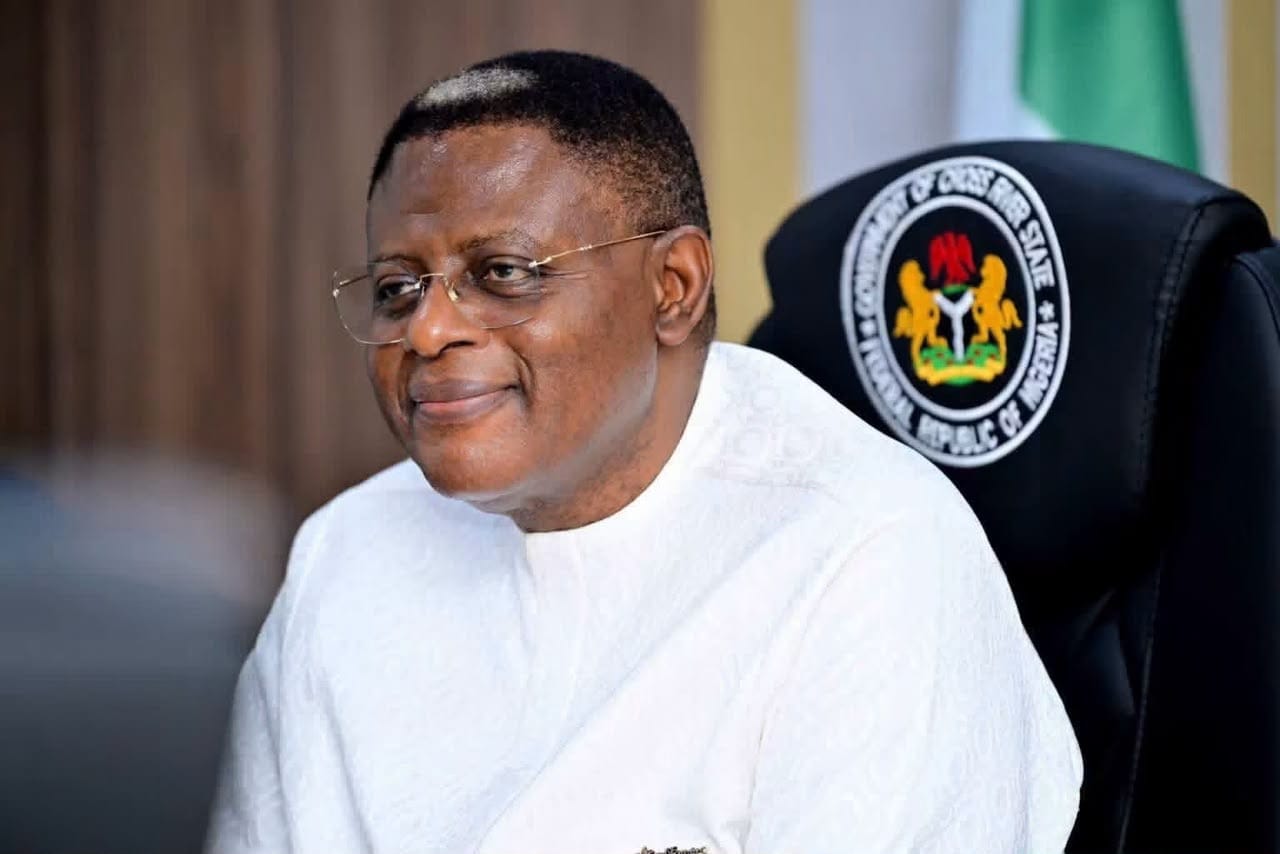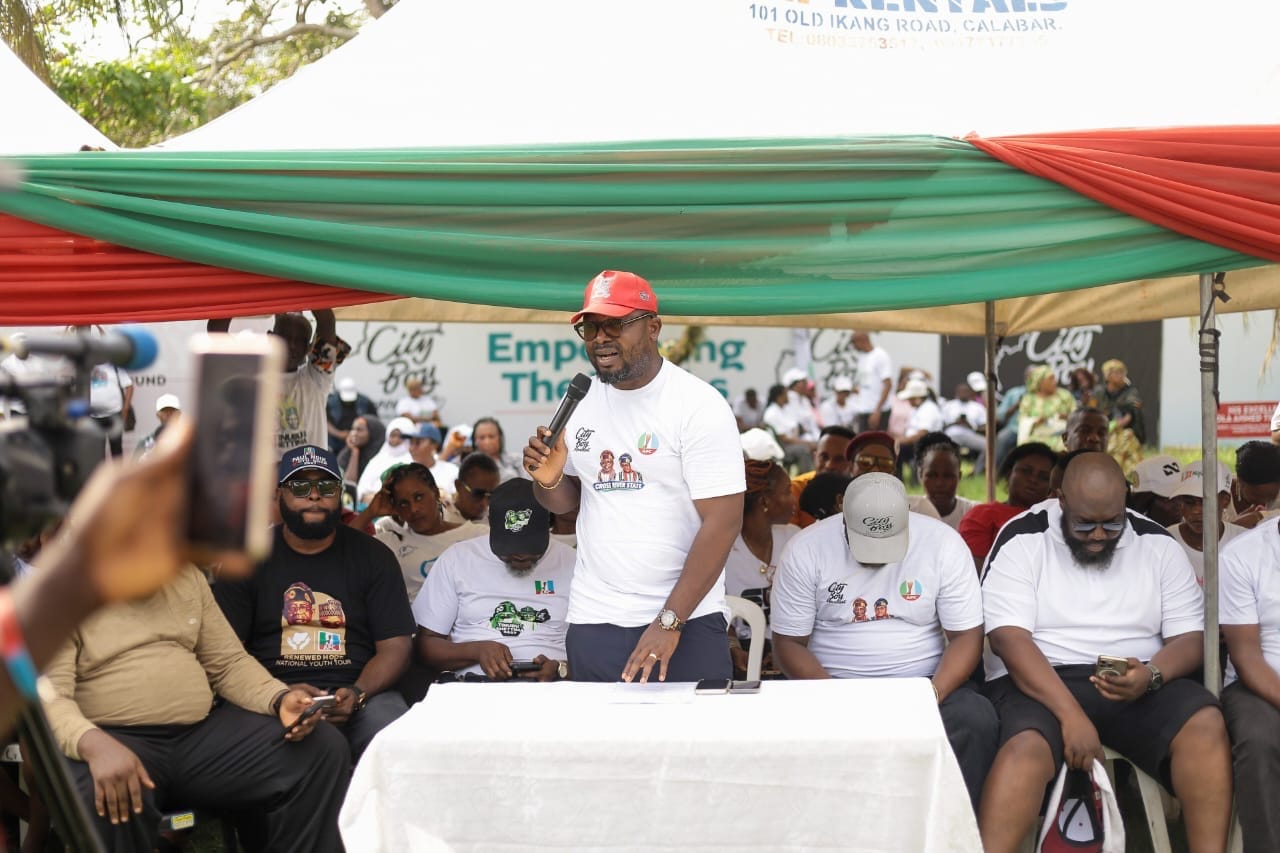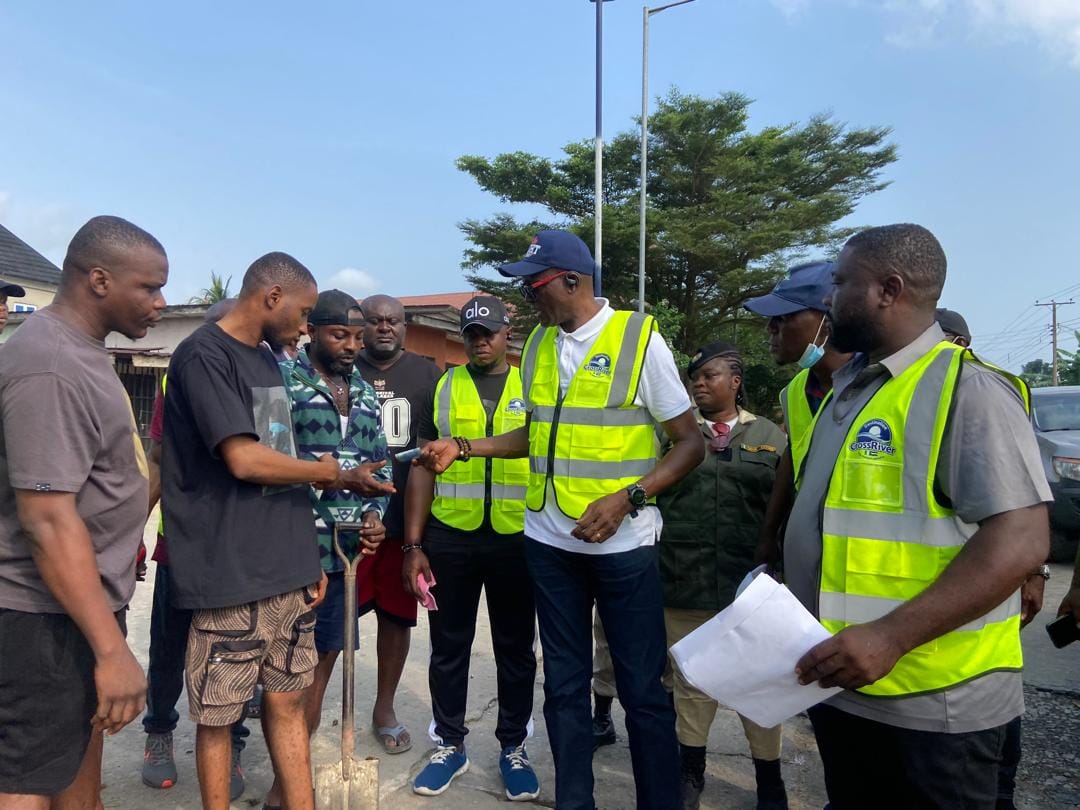

Since Governor Bassey Otu assumed office, I have written several commentaries about his decision to take a path many Nigerian politicians would rather avoid; prioritizing the actual development needs of the people over political grandstanding. Instead of investing public resources in projects that look impressive on billboards but offer little economic value, he chose to confront the state’s fundamental problems, rebuild failing institutions and reset its development priorities.
Cross River did not need another administration making grand promises about superhighways, skyscrapers and ambitious projects without a clear path to delivery. What the state needed badly was a government willing to fix what was broken, recover what had been lost and make existing investments productive. That was the assignment Otu inherited and he appears to have understood it. He has promised relatively little but has delivered in areas that matter.
Consider infrastructure. The administration has constructed and rehabilitated roads across the three senatorial districts, improving access to communities and opening up economic activities. The state library has been transformed into a modern facility with e-library services. The government has also undertaken the rehabilitation of public buildings and infrastructure abandoned for years. These may not be the grandest projects in political conversations, but they address real needs.
Beyond physical infrastructure, Otu has also taken steps to address the state's inherited financial burden. His administration renegotiated existing debt obligations and has reduced the state's domestic debt from over N204 billion to about N132.3 billion, a reduction of about 35%, without resorting to fresh borrowing. This is an important part of the reset. Rather than piling new loans on an already burdened state, the government has chosen to create more fiscal space by managing what it inherited.
Moreso, education and healthcare have equally received attention. The government has covered WAEC registration fees for thousands of indigenous students, improved school infrastructure and restructured tertiary education. In healthcare, primary health centres are being revitalised across the state, health professionals recruited and the General Hospital in Ikom developed. These are interventions that directly affect ordinary families, particularly those in rural areas who have long struggled to access basic services.
Agriculture, too, is receiving a different kind of attention. Through initiatives such as Project GROW, the administration has supported farmers with seedlings, equipment and other agricultural inputs, while encouraging commercial farming and agro-processing. The recovery of the state’s rubber and palm plantation assets is another important step. In tourism, Tinapa has returned to government control, Obudu Mountain Resort is being revived, and Marina Resort has been renovated and revamped. These are assets Cross River cannot afford to leave dormant.
One thing I find particularly commendable is Otu’s willingness to pursue continuity. For too long, successive administrations in Cross River have treated government as an opportunity to abandon inherited projects and announce new ones. The result has been a graveyard of public investments. Otu made a commitment not to allow projects financed with state resources to go to waste. The ongoing Obudu Cargo Airport, the Bakassi Deep Seaport, the acquisition of new airlines for the state proposed CallyAir Airline and other inherited projects reflect that approach. The ongoing efforts to revive of the garment factory through a partnership with Jampur Group and covert it into a Mosquito Net Manufacturing Plant is another attempt to make existing assets productive.
There is also a difference in how the administration approaches economic empowerment. Rather than making recurring cash handouts the centrepiece of youth development, it has pursued grants, skills acquisition, entrepreneurship and business support.
Pensioners and retirees have received support to establish businesses, while women have benefited from grants to expand existing ventures or start new ones. The planned empowerment of 4,500 young people through the 2026 Youth Empowerment Scheme is another example. Meanwhile, the state’s IGR has grown from N21.1 billion in 2022 to N46.3 billion in 2024, according to figures reported by the authorities.
Of course, not all these interventions will make newspaper headlines, and not every Cross Riverian will immediately appreciate the thinking behind them. But governance should not be measured by the number of projects announced or the size of billboards erected. It should be measured by whether lives are improving, institutions are functioning, public assets are being protected and the economy is moving in the right direction. Recently, the Inter-Party Advisory Council inspected more than 200 government projects across the 18 LGAs, acknowledging progress while identifying areas that still need attention.
Otu has spent his first tenure clearing the ground, restoring public assets, rebuilding institutions and addressing the structural problems that have held Cross River back. His next four years will be about consolidating these gains, completing ongoing projects, starting new signature projects that will expand economic opportunities and accelerating development across the state. Having laid the foundation and demonstrated a clear sense of direction, the governor now has the opportunity to take the state further. Cross River needed this kind of groundwork, not political razzmatazz. The path may be less glamorous, but it is the right one.
Inyali Peter, Ph.D., writes from Abuja, Nigeria.