
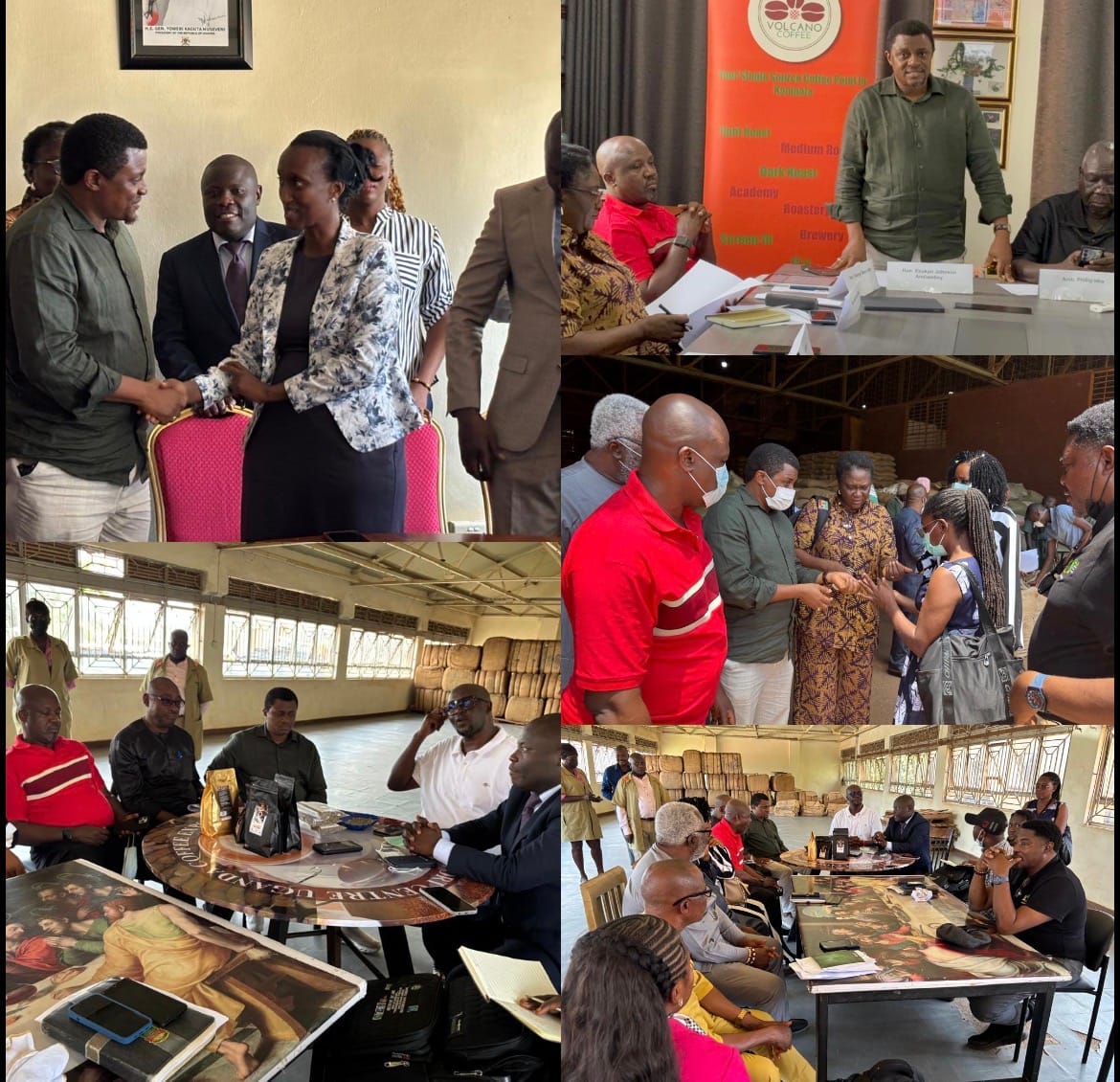
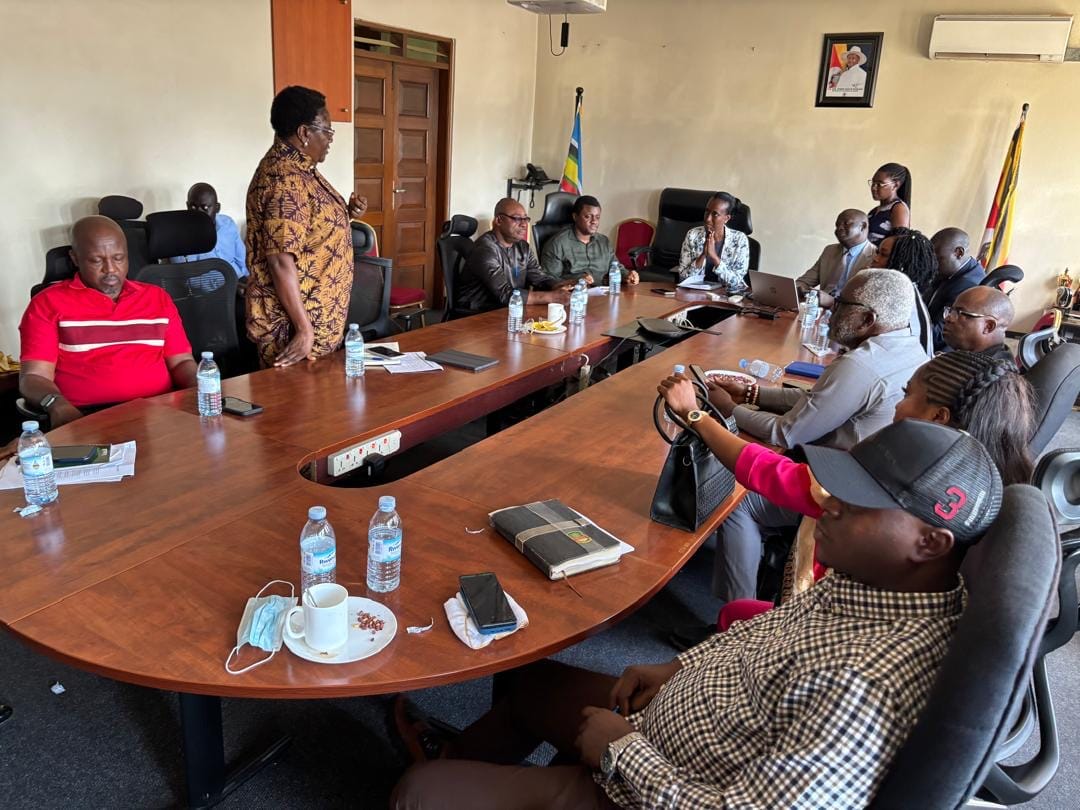
The Cross River State delegation on a coffee value chain knowledge tour of Uganda has commenced its first day of engagements with high-level interactions involving key stakeholders in Uganda’s coffee sector.
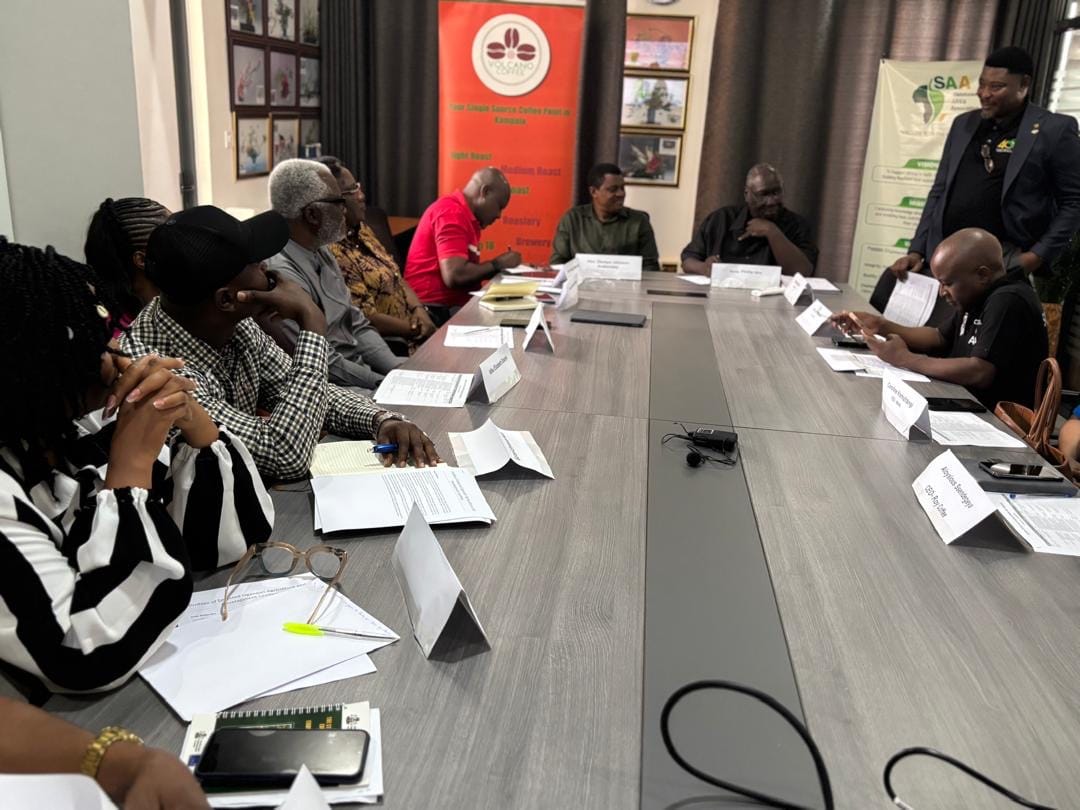
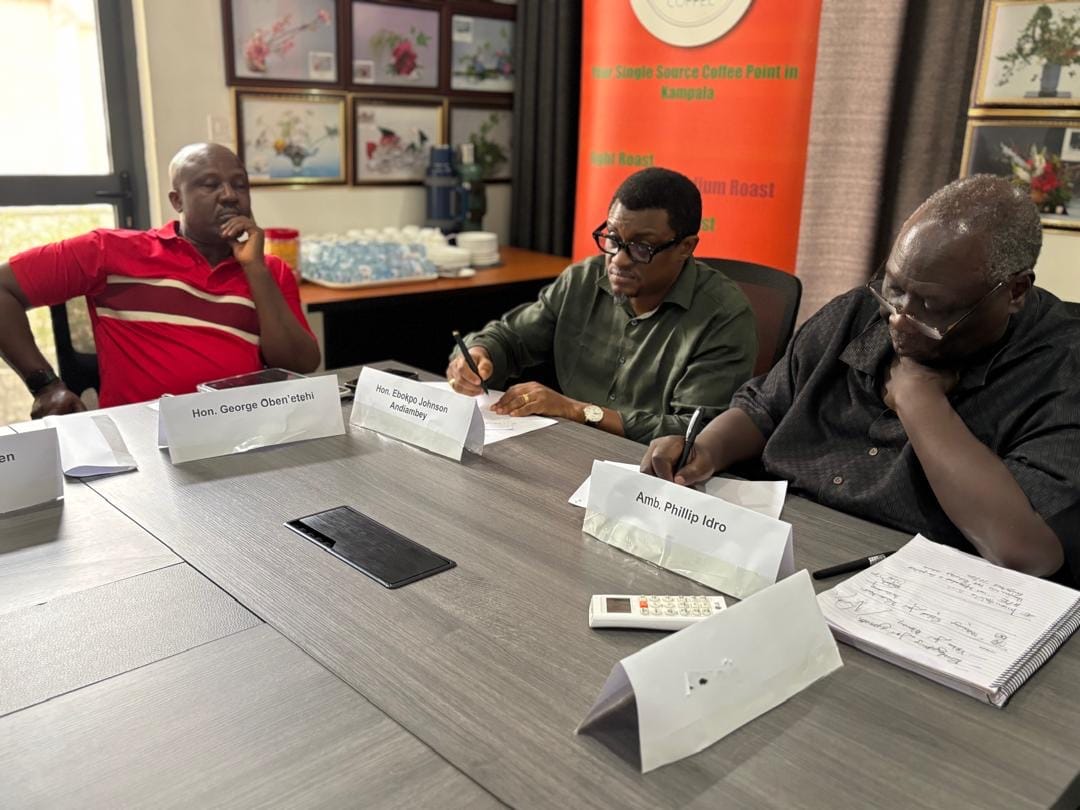
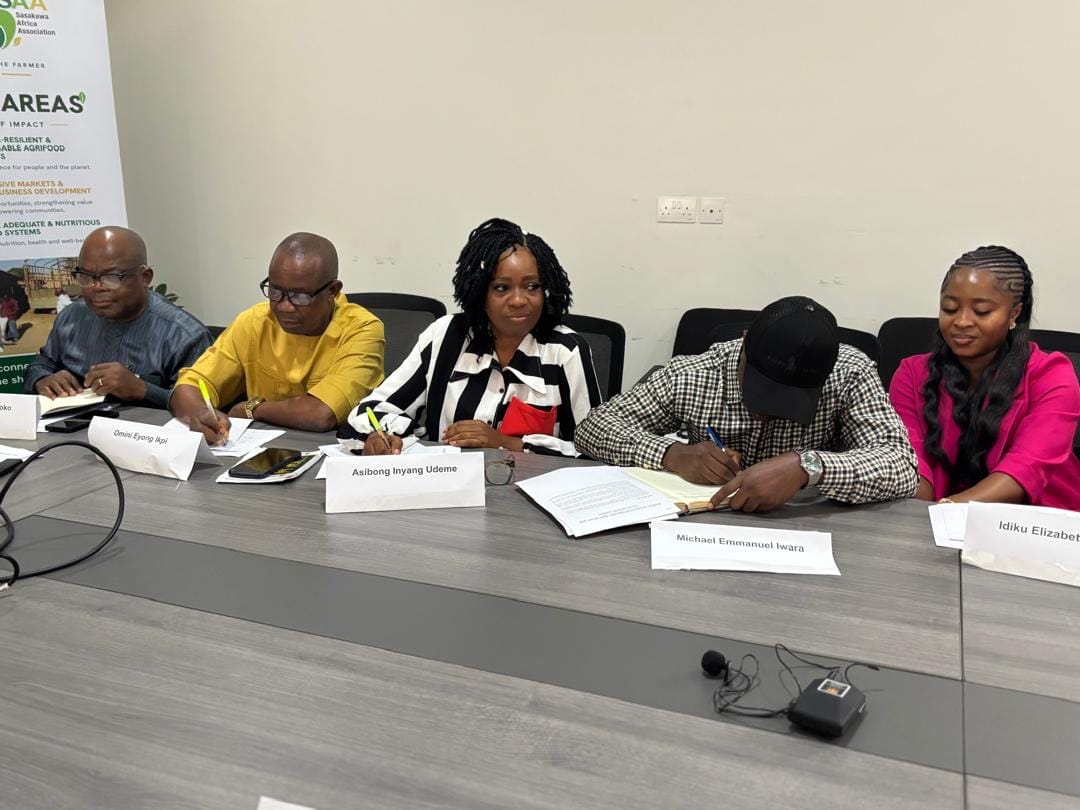
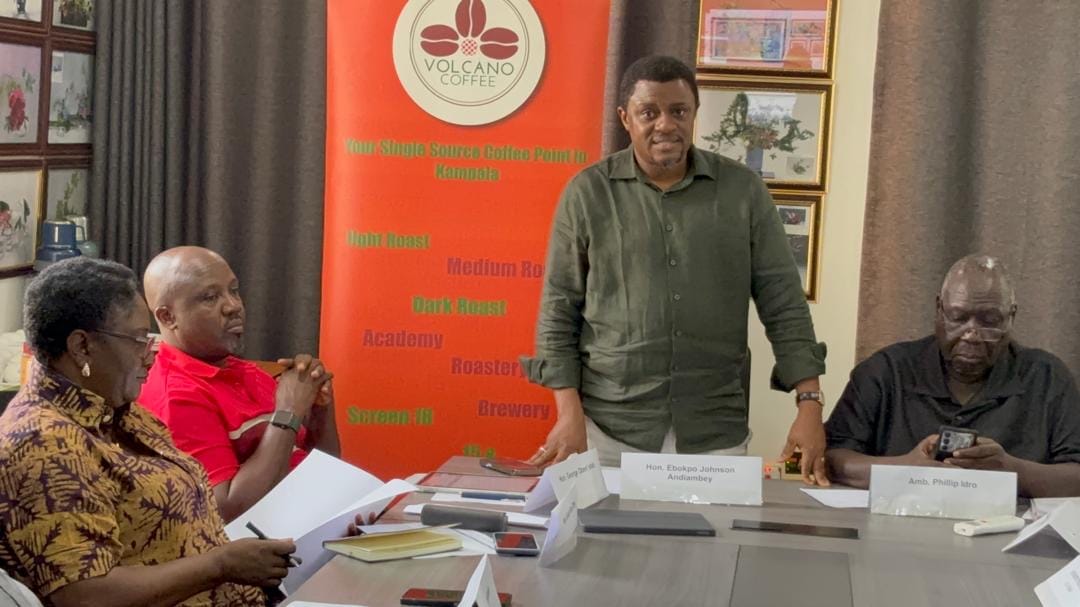
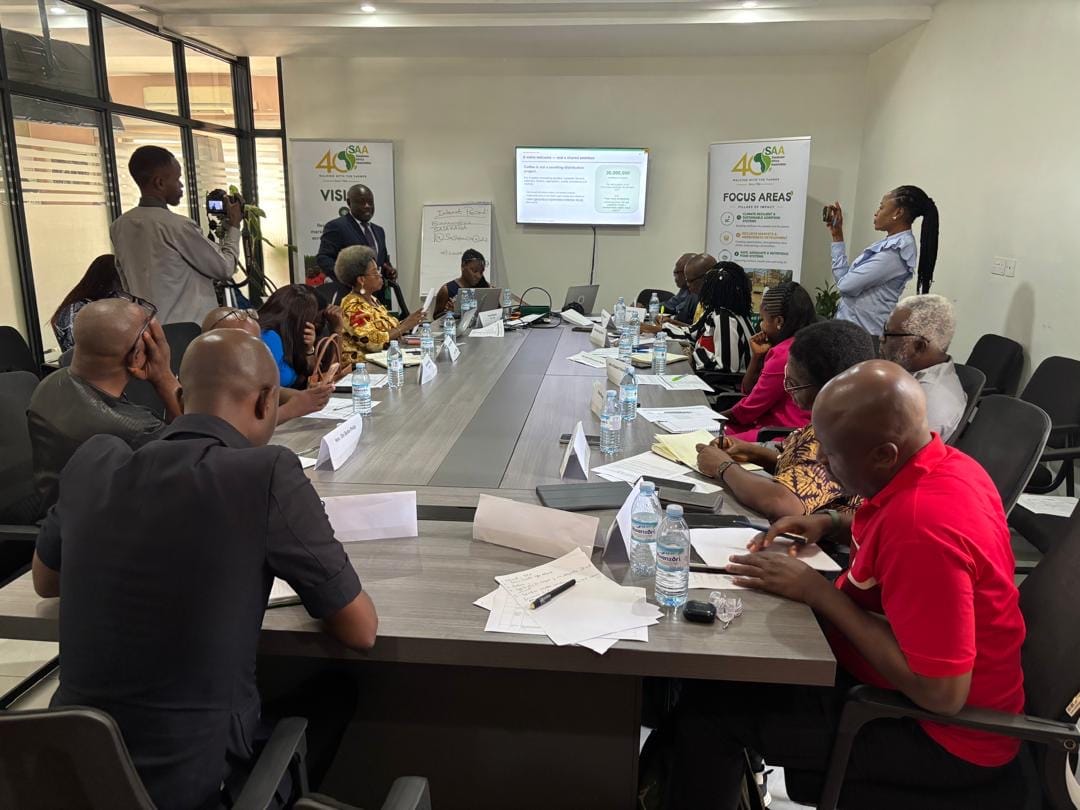
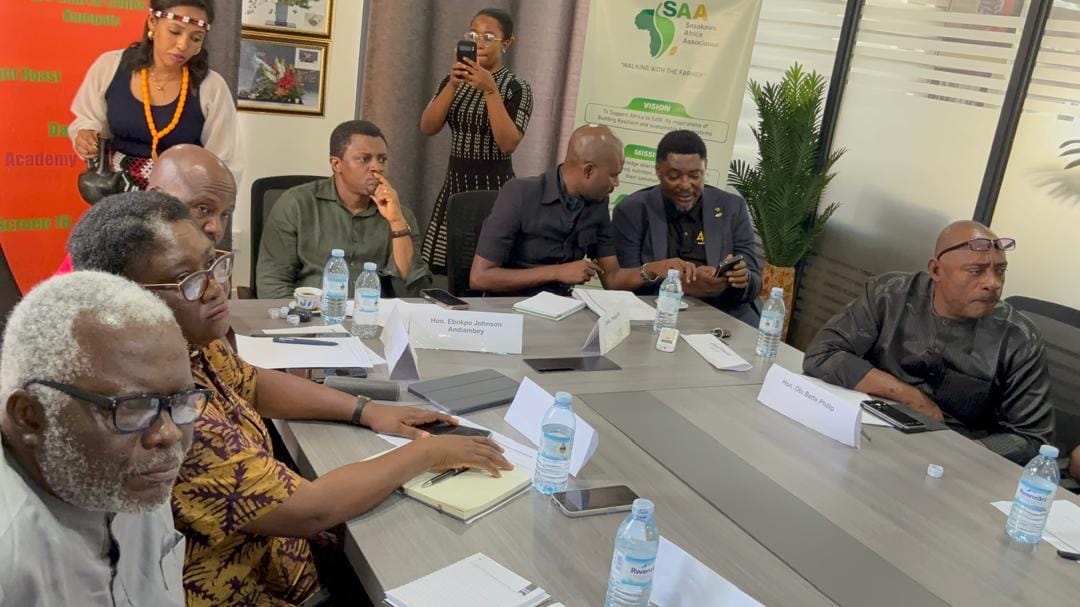
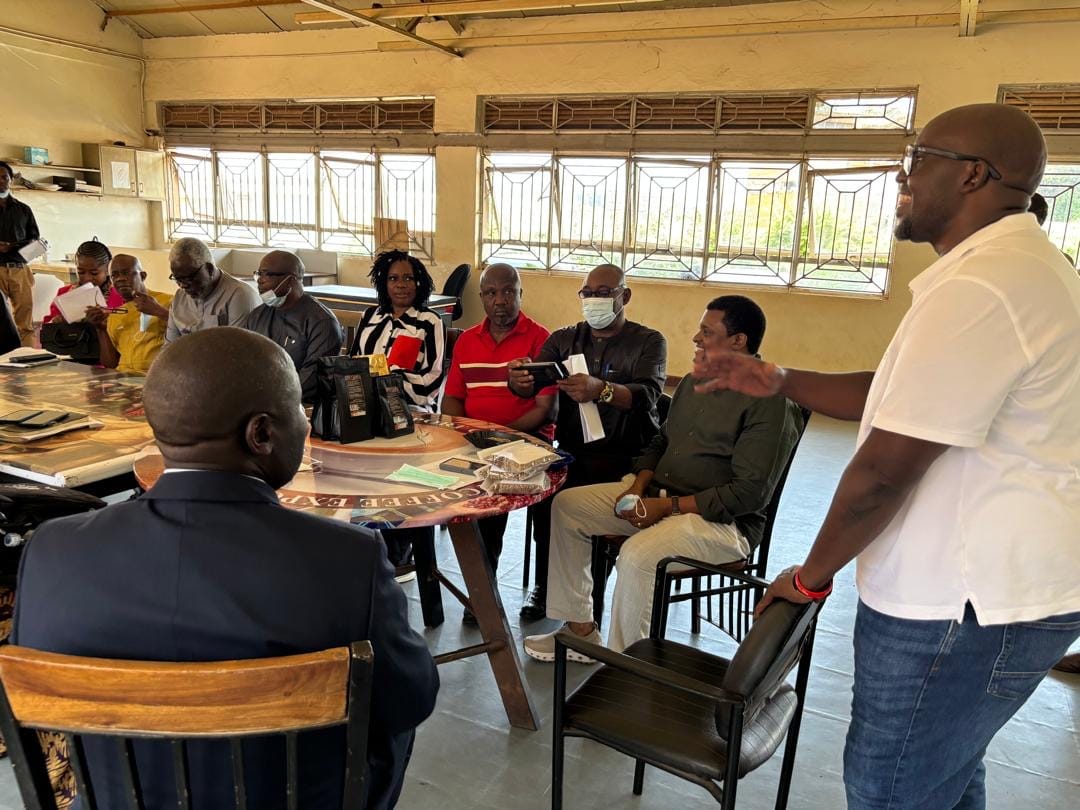
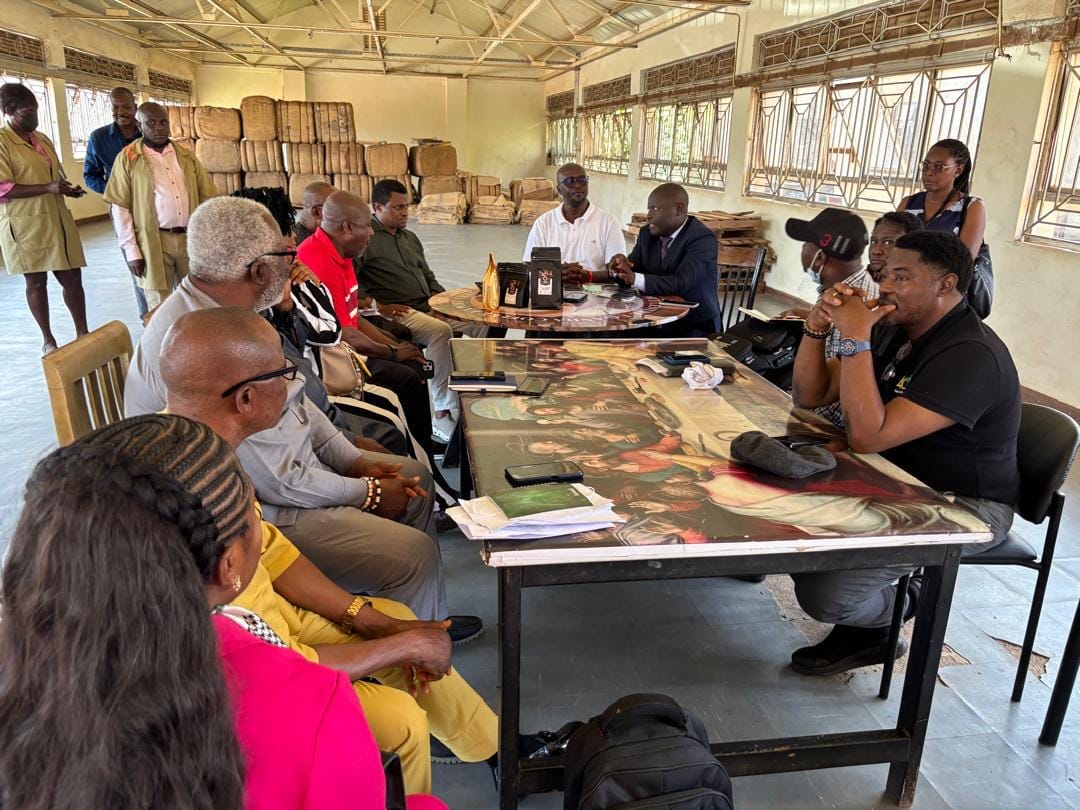
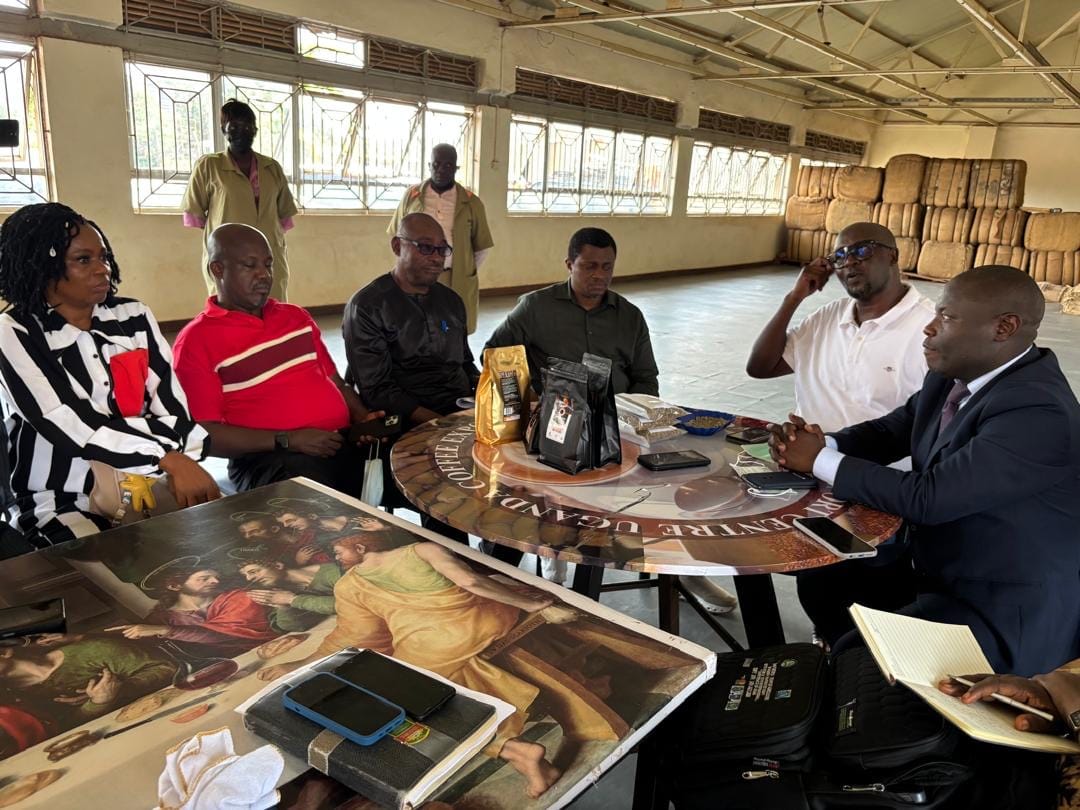
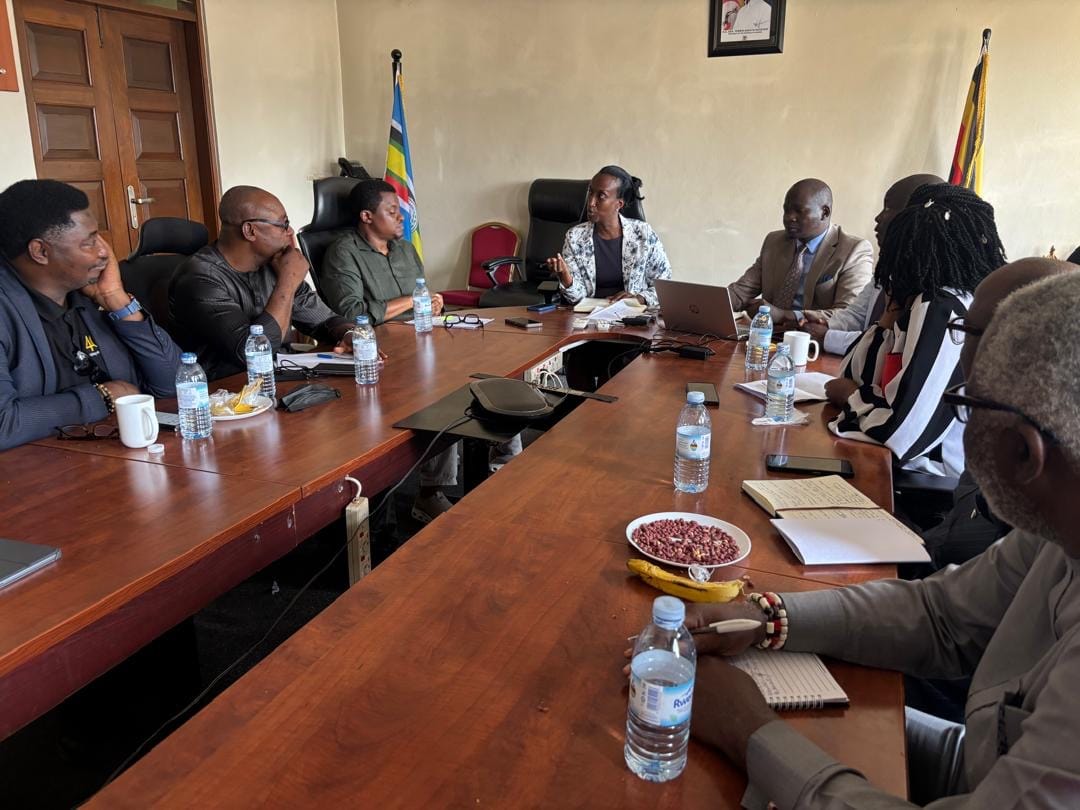
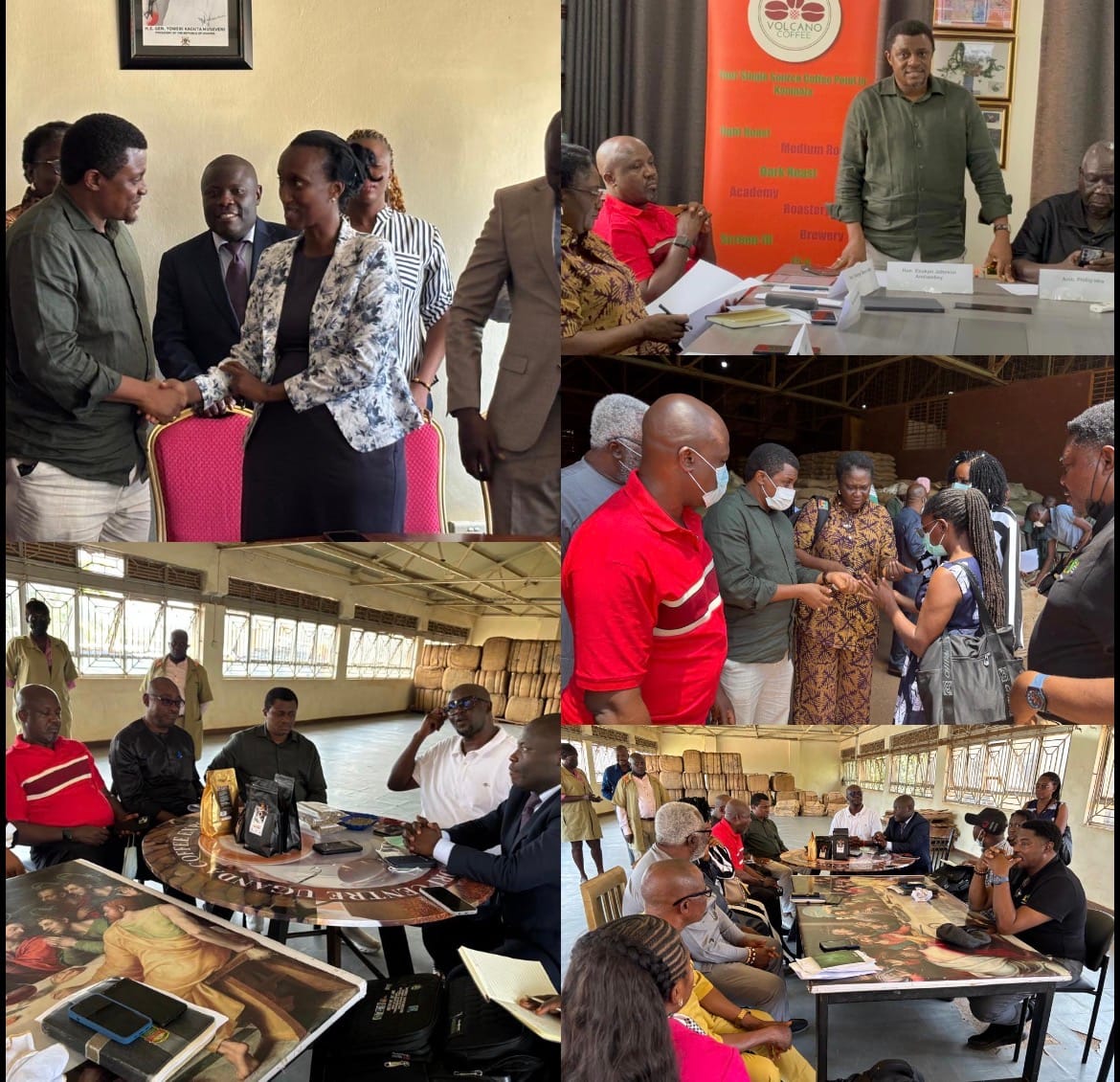
The delegation, led by the Commissioner for Agriculture and Irrigation Development, Hon. Johnson Andiambey Ebokpo, was hosted by the Country Director of SASAKAWA Africa Association, Robert Ayang, at his office, where the team engaged selected stakeholders on the development and sustainability of the coffee value chain.
The session was opened by Amb. Philip Idro, Ugandan diplomat and agribusiness leader, who called for greater African ownership of agricultural development. He noted that while Uganda is a leading coffee exporter, it is now beginning its cocoa journey and would be interested in learning from Cross River’s experience, while collaborating with the State for mutual benefit.
Discussions focused on the institutional, technical and economic structures required to build a viable coffee sector, with extensive knowledge sharing and practical recommendations for strengthening Cross River State’s emerging coffee programme.
The engagements featured presentations on key aspects of the coffee value chain, including Building a Coffee Value Chain from Seedlings to Market, presented by the Executive Director of Uganda Development Forum (UDF), Edward Katende.
Tony Mugoya, CEO of the Uganda Coffee Farmers Alliance, the national apex organisation of smallholder farmer cooperatives, shared insights on production improvement, input supply, financial services, value addition and marketing.
On women and youth participation, the Founder and Executive Director of Omukazi W’Omutima (OWO) Ltd, Consolata Niwagaba Tumwesigye, highlighted approaches to empowering women coffee farmers, strengthening women-owned enterprises and creating opportunities for young people within the coffee value chain.
Other presentations and discussions covered institutional frameworks, research and extension, quality assurance, farmer organisation, traceability, market development and value addition. The engagements provided the Cross River team with insights into the systems and support structures that have contributed to the development of Uganda’s coffee industry, as well as challenges that continue to shape the sector.
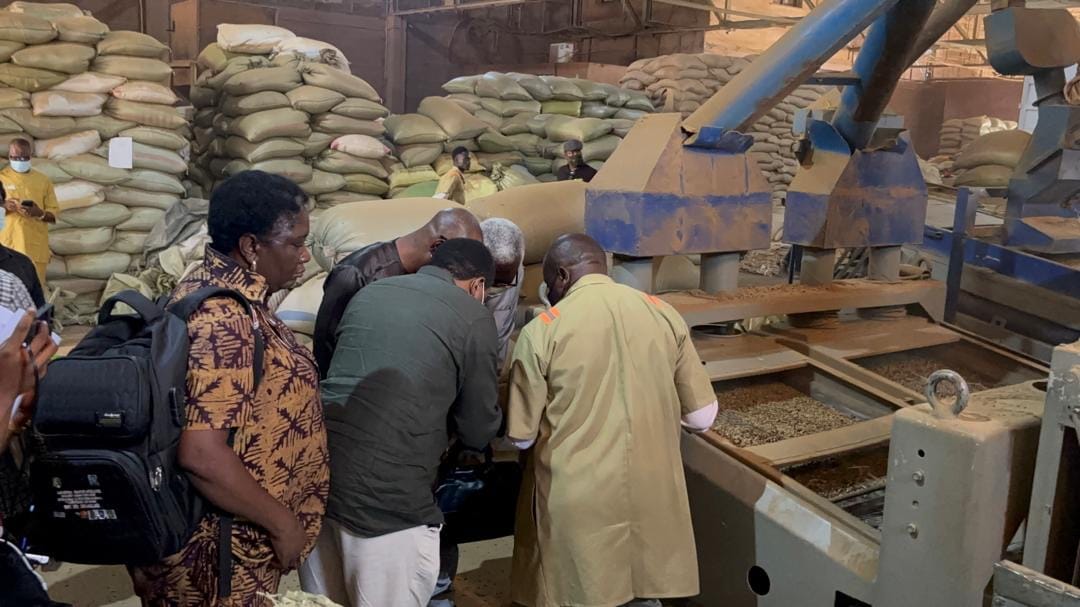
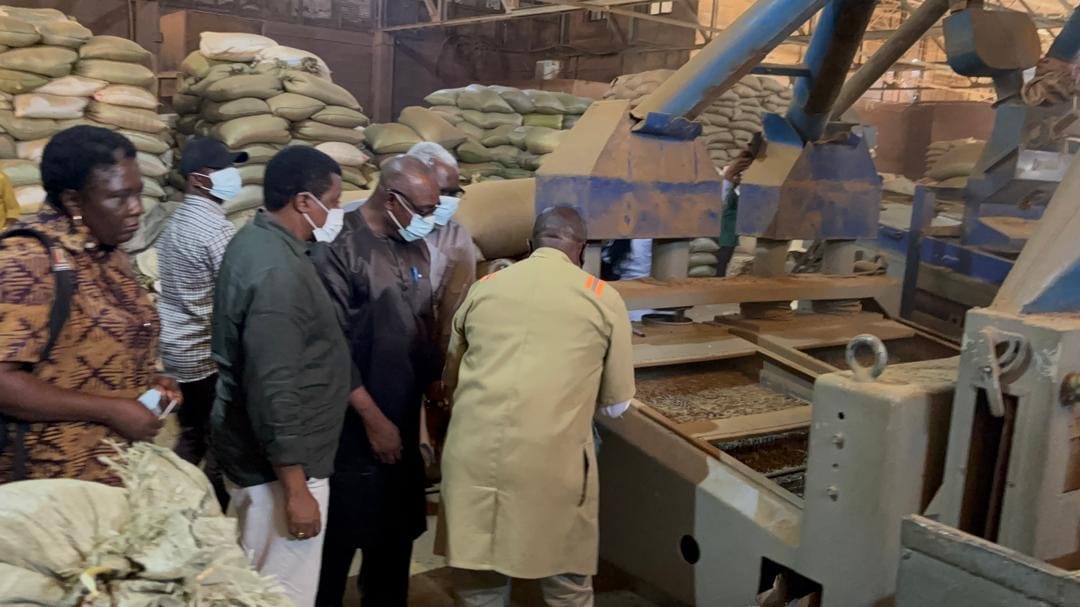
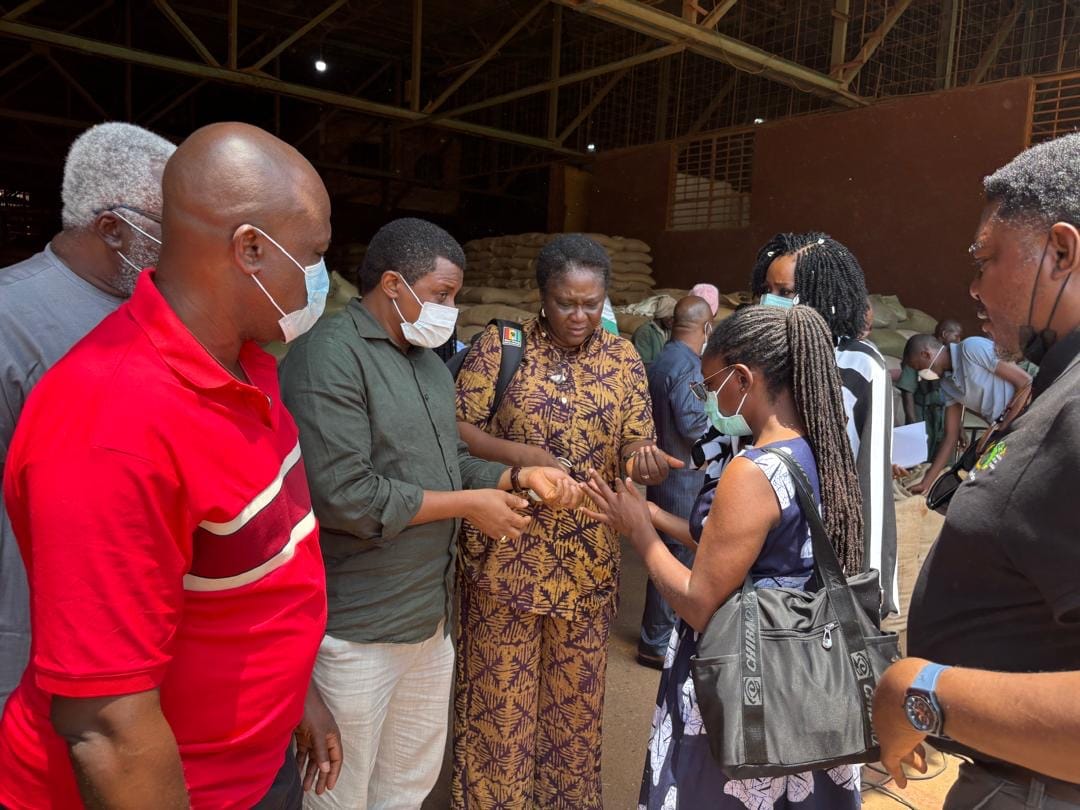
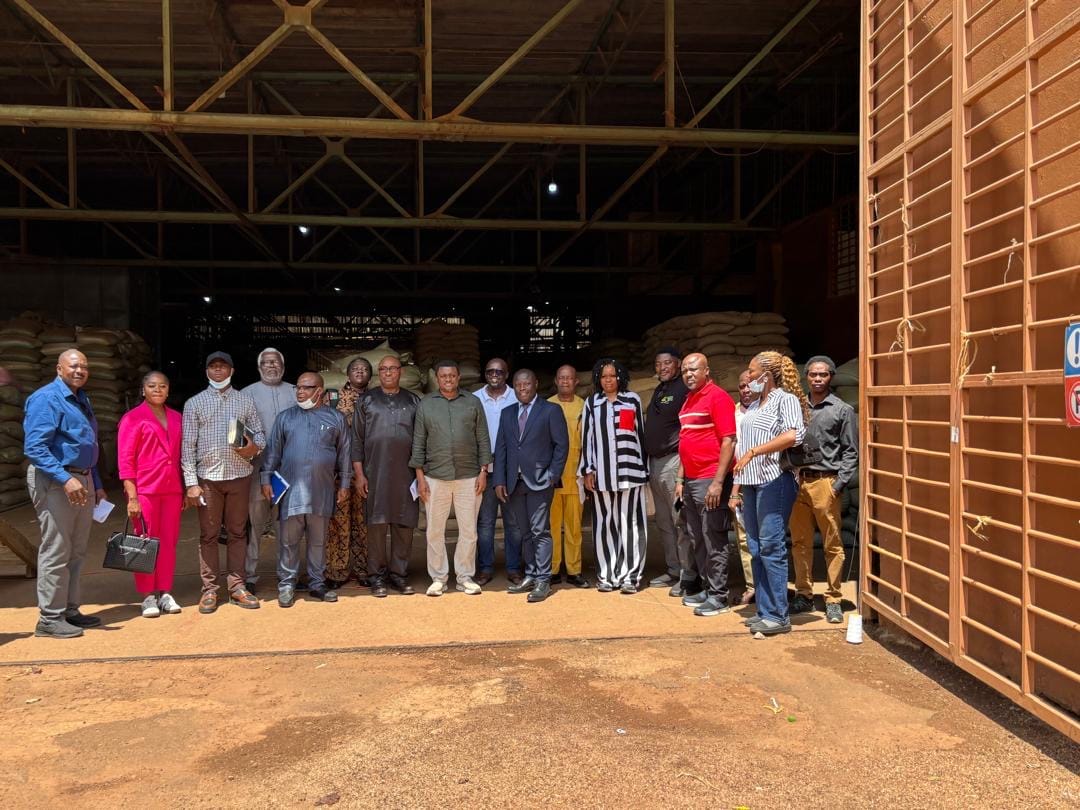
For further practical insights, the delegation was taken on a field visit to the Uganda Coffee Export Centre, Bugolobi, where members observed aspects of coffee processing, quality management and value addition.
The team also interacted with the Managing Director of the Centre, Alex Patrick Ssemanda, and gained firsthand knowledge of the processes involved in moving coffee from production through processing and into the market.
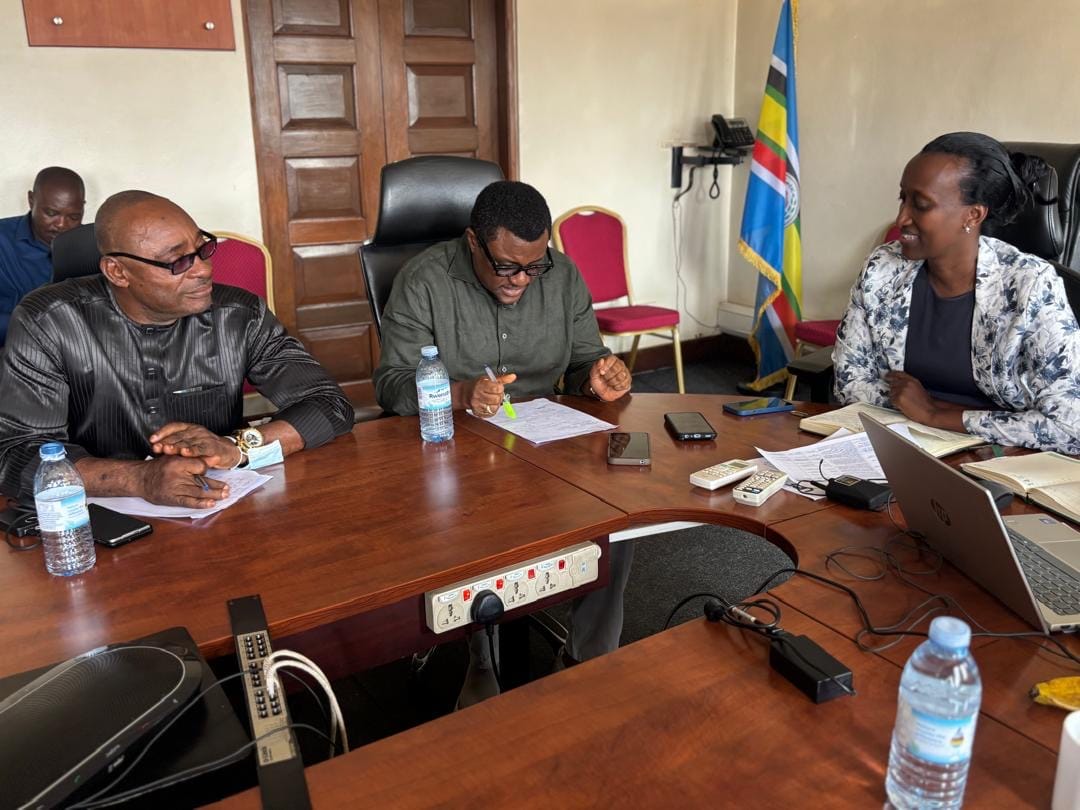
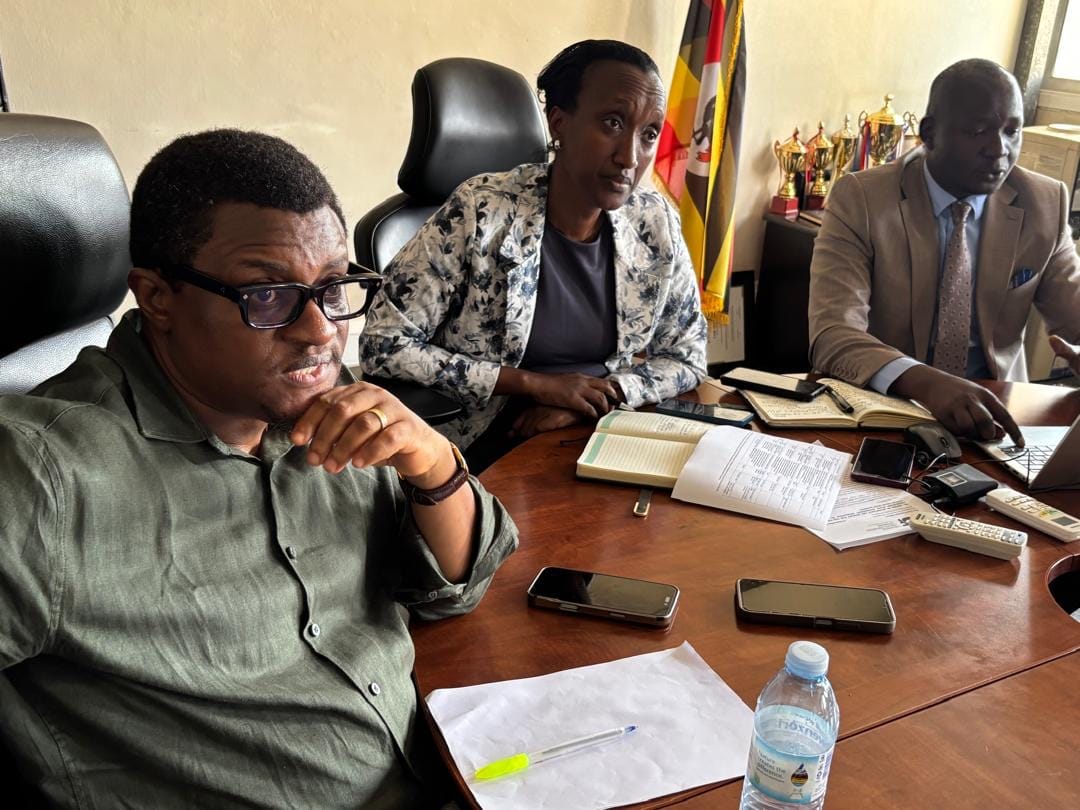
The delegation subsequently visited the office of the Assistant Commissioner for Coffee, Ministry of Agriculture, Animal Industry and Fisheries, Eunice Kabibi and her management team for further technical discussions on Uganda’s coffee sector development. The session featured a presentation on the overview, regulatory and institutional framework governing the sector.
The team also held a session with Plutus Coffee Group, which exposed the delegation to practical approaches for building sustainable, traceable and market-ready coffee and cocoa supply chains. Discussions covered farmer registration, farm mapping, EUDR compliance, regenerative agriculture, agroforestry, carbon measurement and models for carbon credits.
The engagement further provided an opportunity to examine areas of possible collaboration, including carbon credit opportunities within the agricultural and coffee value chain.
Across the engagements, Ugandan stakeholders expressed readiness to strengthen technical collaboration and knowledge exchange with Cross River State, particularly in areas that can support the development of a structured and sustainable coffee value chain in the State.
One of the key lessons from the first day was that a successful coffee sector requires the development of the systems around the crop, rather than focusing solely on the distribution of seedlings. The discussions highlighted the importance of clear policies and long-term planning, quality planting materials, research and extension support, farmer organisation, quality control, traceability and reliable farmer and farm data.
The engagements also underscored the need to create practical opportunities for women and young people across the coffee value chain, including nursery management, production, processing, roasting, barista skills, marketing and export, while strengthening market development and value addition.
For Cross River State, the lessons reinforce the importance of developing nursery, extension, quality-control and farmer-data systems alongside the ongoing expansion of coffee cultivation.
Speaking on the outcome of the engagements, Commissioner Ebokpo said the discussions had opened up opportunities for potential partnerships and investments in coffee production, processing, value addition and market development, while also creating avenues for stronger private-sector linkages and collaboration between Uganda and Cross River State.

By Blessing Enagu