
The Cross River State Government has recorded encouraging progress in its agricultural development programmes, with significant investments in cowpea, soybean, yam minisett technology and coffee production emerging as major highlights of a statewide agricultural assessment tour.
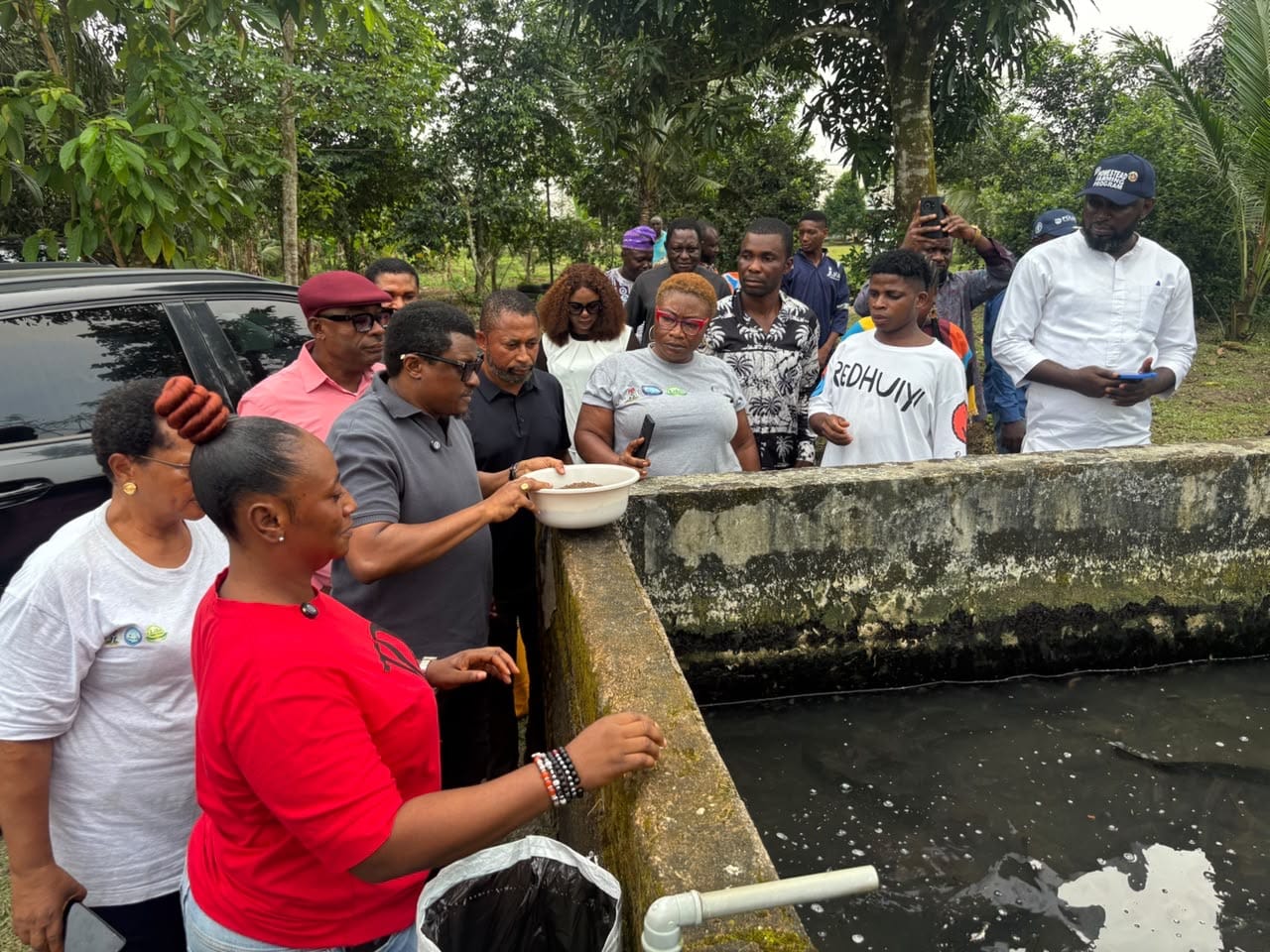
The week-long exercise, led by the Commissioner for Agriculture and Irrigation Development, Hon. Johnson Andiambey Ebokpo, was undertaken to evaluate the implementation, progress and impact of the agricultural policies and programmes of Governor Bassey Otu across the state.
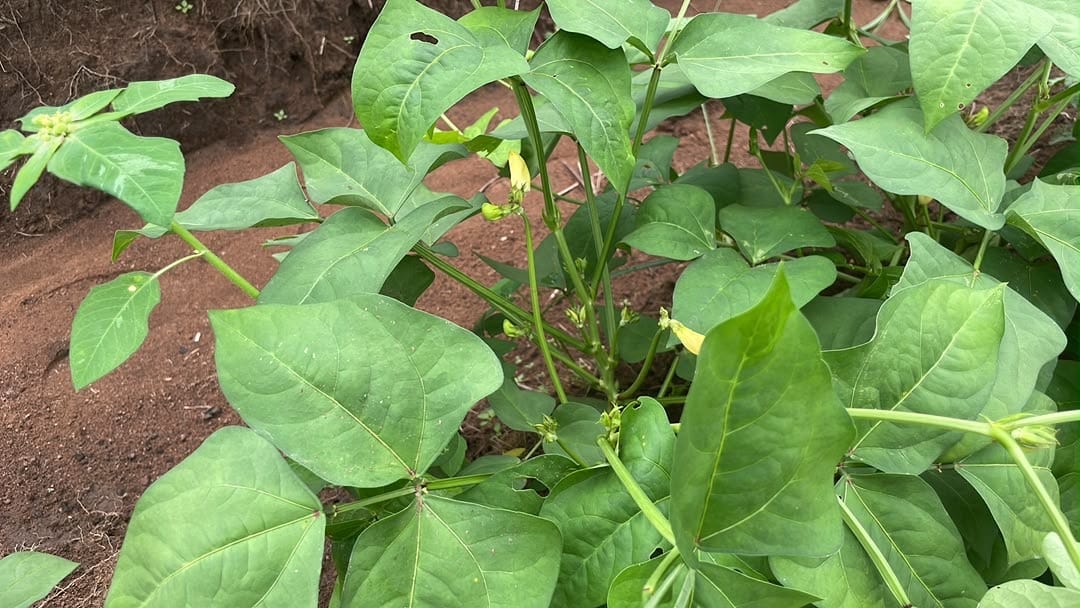
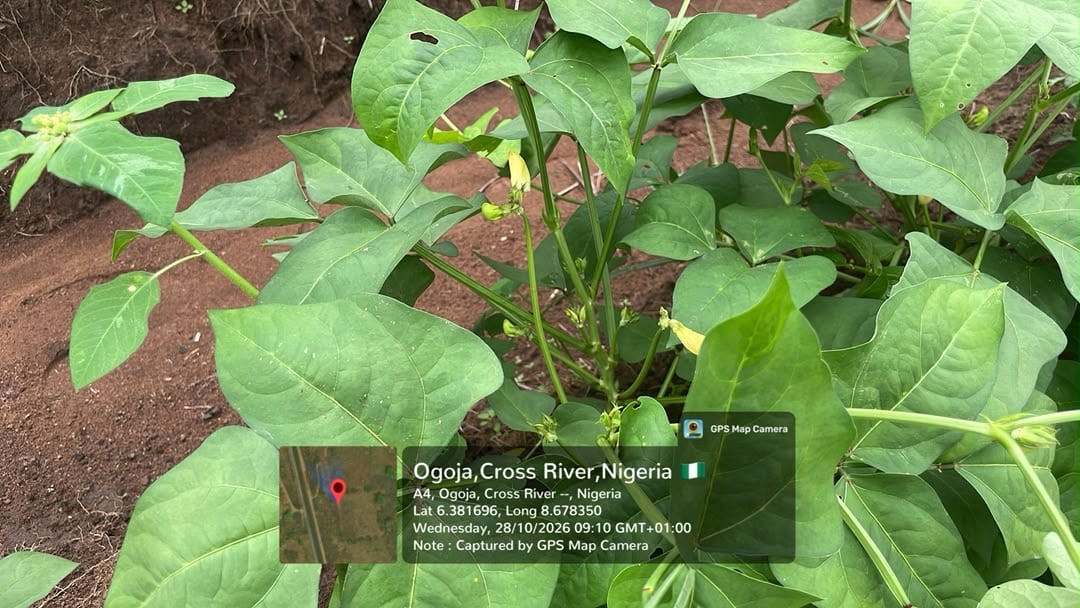
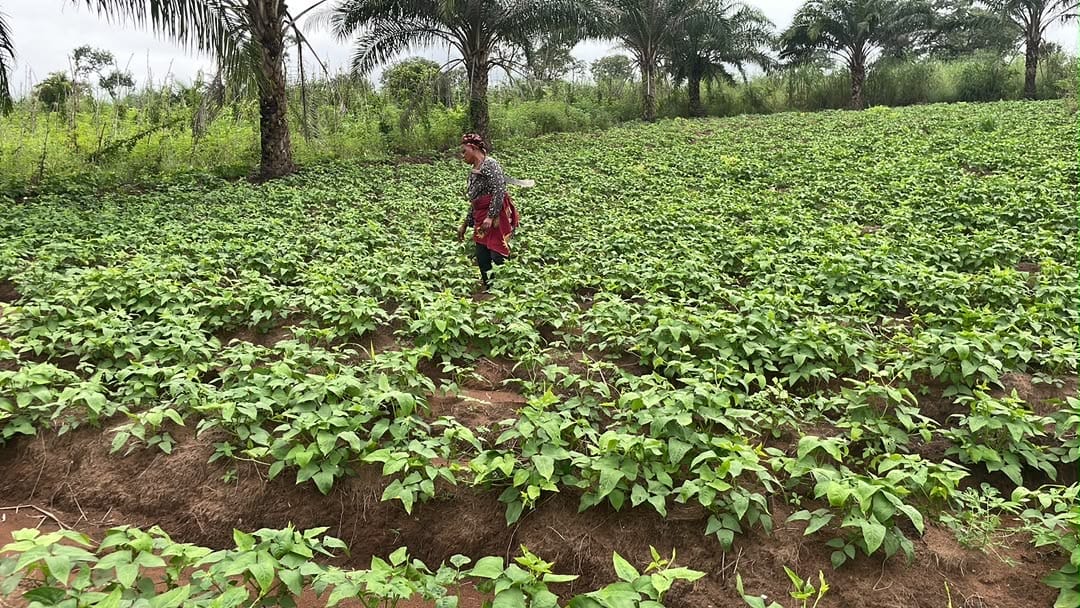
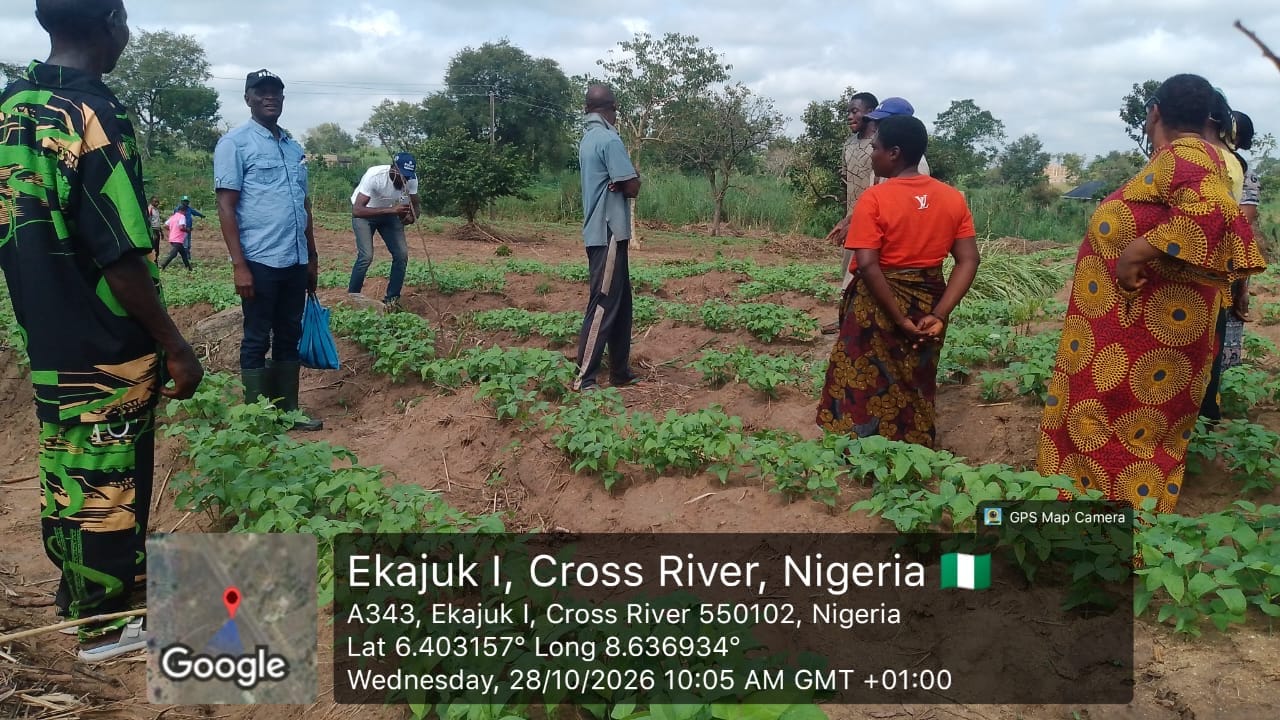
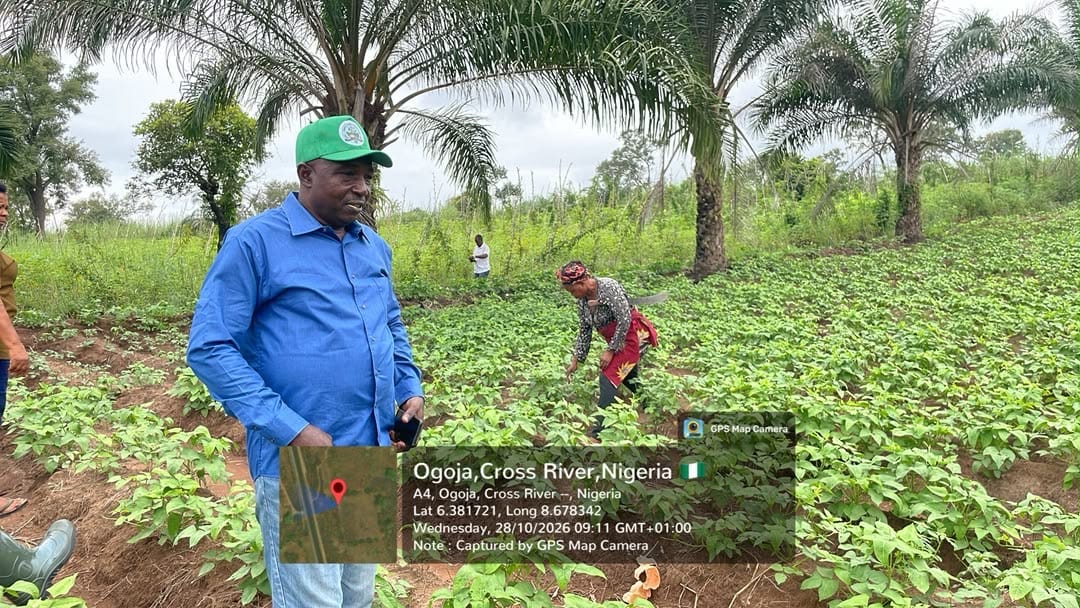
During the tour, the assessment team inspected several agricultural intervention sites, including the 91-hectare soybean farm at Odukpani and the 89-hectare farm at Mgbeke in Yakurr, both established under the Project Grow programme. The team also visited cowpea breeding stations at Orida in Biase, the College of Agriculture, Ovunum, the NYSC camp in Obubra and Nkarasi community in Ikom Local Government Area.
The facilities are among 12 community-based cowpea breeding stations established across the state through the Ministry of Agriculture and Irrigation Development, in collaboration with the Cowpea Farmers Association of Nigeria and Women in Agriculture. Having progressed beyond the proof-of-concept stage, the programme is now moving towards commercial cowpea production, supported by the state government’s cowpea buy-back arrangement.
Under the arrangement, the government plans to purchase 75 per cent of harvested cowpea from farmers for storage in strategic reserves, helping to protect vulnerable households against food shortages and price fluctuations. Beyond providing a guaranteed market and improving farmers’ earnings, the programme is expected to enhance access to cowpea, an affordable source of plant protein, particularly for vulnerable households.
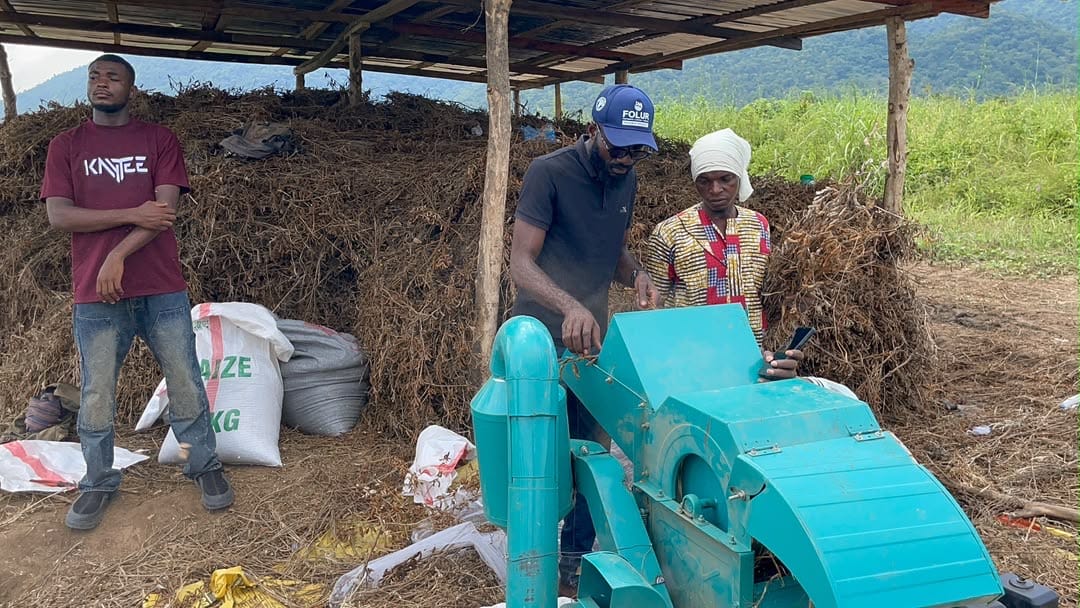
Another major stop was the 96-hectare soybean farm at Bebi community in Obanliku Local Government Area, where harvesting and threshing operations are already underway, indicating progress in the state’s efforts to expand soybean cultivation.
The team also assessed 40 community-led seed yam multiplication centres established through the Yam Minisett Technology. Targeting the production of 68,000 metric tonnes of seed yams, the programme represents what has been described as the largest yam intervention in the state in the last 50 years.
The technology is designed to ease the burden on yam farmers who traditionally travel to neighbouring states in search of quality planting materials, while expanding local seed yam production and availability. The assessment revealed encouraging progress across the community centres, as well as privately owned yam minisett farms, demonstrating growing participation in the multiplication of quality seed yams.
Coffee development also featured prominently during the exercise, with the team examining cultivation practices and the adaptability of coffee crops in selected communities. Among the facilities inspected were Professor Augustine Ogogo’s five-hectare coffee farm in Obanliku, where coffee is intercropped with cowpea, and a 40-hectare coffee farm in Belenge community.
The statewide tour provided an opportunity to assess the practical implementation of the administration’s agricultural programmes, identify progress made and obtain firsthand information on the challenges and opportunities within the various value chains. The findings point to ongoing efforts to increase agricultural productivity, strengthen farmers’ capacity, stimulate rural economic activities and expand employment and income-generating opportunities.
The progress recorded across the intervention sites reflects the Bassey Otu administration’s People First commitment to repositioning agriculture as a major contributor to economic growth, food security and improved livelihoods, while building a more productive and sustainable agricultural sector in Cross River State.